If you look at the medical device industry around the world, one country consistently stands out, The United States.
As biomedical engineering students, we often hear that the United States dominates the medical device industry. At first, it sounds like a big statement, but once you start understanding how biomedical engineering, healthcare, and industry connect, it actually makes a lot of sense. The U.S. didn’t become a leader overnight, it’s the result of strong engineering education, research culture, industry support, and a well-defined medical device market.
Let me break it down in a simple way.
Strong Focus on Research and Innovation
One of the biggest reasons the U.S. leads the medical device industry is its massive investment in research and development (R&D). Universities, research labs, hospitals, and companies work very closely together. This means biomedical engineering research doesn’t stay limited to papers or classrooms, it quickly turns into real products.
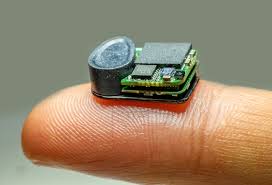
For example, ideas related to ECG monitoring, neural implants, imaging systems, or surgical robots often start as research projects and then move into clinical testing and commercial production. Biomedical engineers in the U.S. are encouraged to innovate, experiment, and improve existing technologies rather than just use them. This research-driven environment consistently leads to the development of new and improved medical devices.
Role of Biomedical Engineers in the Industry
Another big reason the U.S. leads the medical device industry is how actively biomedical engineers are involved. They don’t just work in labs or hospitals, they take part in device design, testing, clinical validation, regulatory affairs, and product improvement. From wearable ECG devices to advanced prosthetics and imaging systems, biomedical engineers are part of every stage, ensuring that innovations are practical, reliable, and ready for the market.
Understanding the FDA
Whenever medical devices are discussed, the FDA (Food and Drug Administration) comes up and many people think it slows everything down. In reality, the FDA is one of the reasons the U.S. medical device industry is trusted worldwide.
The FDA’s job is to make sure medical devices are safe, effective, reliable for patients.
It classifies medical devices based on risk:
- Class I: low-risk devices (like bandages).
- Class II: moderate-risk devices (like ECG machines).
- Class III: high-risk devices (like implants).
For biomedical engineers and companies, this clear classification system actually helps. It tells them exactly what testing, documentation, and clinical data are required before a device can be sold. Because of this system, devices approved in the U.S. are often accepted or trusted globally.
A Huge and Supportive Medical Device Market
The U.S. also has one of the largest healthcare and medical device markets in the world. Hospitals, clinics, and healthcare providers are more open to adopting new technologies if they improve patient care.
This means:
- new devices get tested in real clinical environments
- hospitals invest in advanced equipment
- patients get early access to innovative technology
For biomedical engineers, this creates more opportunities to design devices that actually reach people instead of staying as prototypes.
Startups, Funding, and Innovation Culture
Another major factor is the startup ecosystem. In the U.S., if a biomedical engineer has a good idea, there are funding opportunities through:
- venture capital
- research grants
- university incubators
- healthcare innovation programs
This encourages engineers to take risks and think creatively. Many successful medical device companies started as small startups focused on solving one specific healthcare problem like portable ECG monitors or smart insulin delivery systems.
Advanced Manufacturing and Skilled Workforce
The U.S. also benefits from advanced manufacturing technologies and a highly skilled workforce. Biomedical engineers collaborate with mechanical, electrical, and software engineers to ensure devices meet both medical and engineering standards.
Global Impact of U.S. Medical Devices
Because of strong regulation, innovation, and quality control, many medical devices developed in the U.S. are used worldwide. ECG systems, imaging machines, surgical tools, and implants designed in the U.S. often set global standards.
This global trust further strengthens the U.S. position as a leader in the medical device industry.