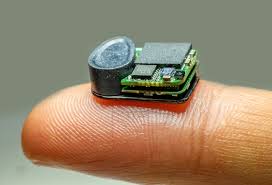
The medical device market in Asia represents one of the most dynamic and high- growth sectors in global healthcare. This region serves as a premier hub for biomedical engineers by uniting urgent clinical demands with a robust ecosystem for technological innovation and commercial growth. With therapeutic, diagnostics and monitoring devices, Asia is shifting from just buying medical tools to becoming a place where the world's newest healthcare technologies are actually invented and built.
1. Rapid Market Expansion Driven By Health Needs
Asia's growing need for better Healthcare is driven by a few major trends:
- More people are moving to cities
- The population is aging
- Chronic health issues like heart disease, diabetes and cancer are becoming common
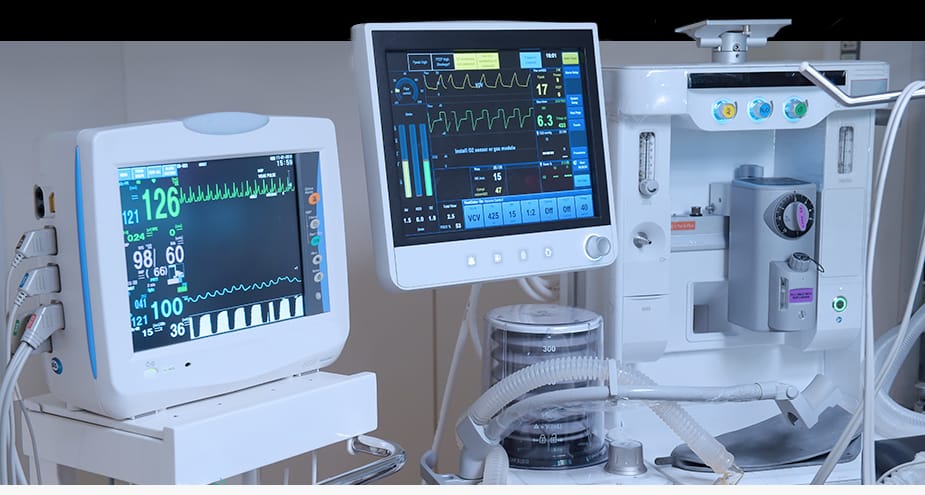
Because of this, there is high demand for advanced medical tools that include scanners, heart monitors, breathing devices and implants which are now being used in hospitals.
Experts predict that the medical device market in Asia will grow from about $5.52 billion in 2024 to over $9 billion in 2032. This steady increases show that the region is putting a high priority on modern tools for testing and treating diseases.
For biomedical engineers, this shift means there is a vital need for experts who can design everything from surgery tools to wearable health trackers that are more effective and easy to use.
2. Innovation in Smart and Connected Medical Technologies
One major area of growth is smart medical devices, which are tools that can track health data, analyze it and share it digitally. In the Asia, the market for these devices such as AI based tools that spot illness and high tech health monitors is expected to grow by more than 13% every year until 2030. These devices are becoming popular because they help doctors make fast decisions and allow patients to be treated from home.
Because of these changes, biomedical engineers now need to be skilled in more than just biology; they must also understand electronics, software, wireless technology and AI. By connecting health sensors to the online storage and using smart data models, engineers can create new ways to treat patients who don't have access to traditional hospitals.
3. Structural and Policy Drivers Supporting Growth
New government policies and health strategies are pushing the development and use of medical devices. Countries like Japan, China and South Korea are spending to build better hospitals, improve digital systems and provide health coverage for all citizens. These efforts make it much easier for both doctors and patients to access and use of latest medical technologies.
Programs like India's "Made in India" and China's Healthcare plan are designed to help these countries make their own medical devices. By building more local factories and inviting international researchers to invest, these policies create a better environment for designing, testing and launching new medical products.
4. Challenges and Engineering Implications
- While the market is growing fast, biomedical engineers still face three main challenges in Asia:
- Every country has its own safety laws, so engineers must design products that meet many different international standards at once.
- As many patients and hospitals have limited budget, engineers must find ways to build high quality but affordable tools
- Many rural areas don't have trained engineers or right infrastructure to set up and fix medical equipments.
Conclusion
Asia is a thriving hub for biomedical engineering. The region offers huge opportunities to design new tools, build thrm locally and use smart technology to solve health problems. Because Asian Healthcare is modernizing quickly, engineers have to play a vital role in creating medical technology that is efficient and focused on patient's needs.