
Singapore is one of Asia’s most respected medical device hubs, not because of its size, but because of its strong regulation, clear processes, and efficient approval system. For biomedical engineers, understanding Singapore’s medical device regulations provides a real advantage when designing safe, reliable, and market-ready products.
1. Regulatory Authority: Health Sciences Authority (HSA):
In Singapore, medical devices are regulated by the Health Sciences Authority (HSA). The HSA is responsible for ensuring that all medical devices used in the country are:
- Safe
- Effective
- High quality
Unlike many countries, Singapore’s regulatory system is well-structured, transparent, and engineer-friendly, making it easier for companies and engineers to understand what is required.
2. Risk-Based Classification System:
Singapore classifies medical devices based on the level of risk to patients. There are four main classes:
Class A (Low Risk): Bandages, thermometers
Class B (Low–Moderate Risk): Infusion sets
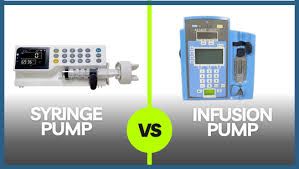
Class C (Moderate–High Risk): Ventilators, infusion pumps
Class D (High Risk): Pacemakers, implants
Why this matters to biomedical engineers:
The higher the risk, the stricter the design and testing requirements. Engineers must carefully select materials, safety features, and validation methods according to the device class. This helps reduce failures and ensures patient safety.
3. Product Registration and Market Approval:
Before a medical device can be sold in Singapore, it must be registered in the Singapore Medical Device Register (SMDR).
For higher-risk devices, engineers must provide:
- Clinical evidence
- Risk management reports
- Performance and safety testing data
- Manufacturing process details
If a device is already approved by trusted authorities such as the FDA (USA) or CE (Europe), Singapore allows accelerated approval pathways. This makes Singapore an attractive entry point for global medical device companies.
4. Quality Management System (ISO 13485):
Singapore strongly follows the principle of Quality by Design. Manufacturers are required to comply with ISO 13485, which focuses on:
- Design control
- Proper documentation
- Consistent manufacturing processes
- Full traceability of components
This means biomedical engineers need to focus on quality and regulatory requirements right from the design stage, rather than thinking about them after the device is finished. This practical approach is an important industry skill that is often not emphasized enough in academic coursework.
5. Post-Market Surveillance: Life After Approval:
Regulatory responsibility does not end after approval. Singapore requires:
- Continuous monitoring of device performance
- Reporting of any device failures or risks
- Corrective and preventive actions when needed
Because of this, engineers must design devices that are:
- Easy to maintain
- Easy to update or improve
- Safe for long-term use
6. Why Singapore Is Important for Biomedical Engineers:
Singapore offers:
- Clear and predictable regulations
- Faster approval timelines
- Strong international recognition
- Easy access to Asian healthcare markets
For biomedical engineers, this results in better design planning, fewer regulatory problems, and a higher chance of commercial success.