Implantable Bioelectronics : When Technology Becomes Part of the Body
1. Introduction
Implantable bioelectronics represent a significant advancement in modern medicine. These technologies integrate electronic systems within the human body to restore or support functions that are lost due to disease or injury. By combining engineering and biology, they provide innovative solutions for long-term therapeutic support and functional restoration.
2. What Are Implantable Bioelectronics?
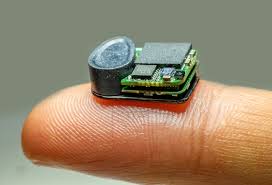
Implantable bioelectronics are medical devices that are surgically placed inside the human body to monitor, stimulate, or regulate biological activity using electrical signals. These devices interact directly with tissues, nerves, or organs to provide long-term therapeutic support.
3. How the Human Body Uses Electrical Signals
The human body relies on electrical signals to work properly. Nerve cells send messages using tiny electrical impulses, the heart beats because of electrical signals, and muscles move when they receive electrical stimulation. If these electrical signals are interrupted, the body cannot function normally. Implantable bioelectronics use these natural electrical signals to help restore communication in the body when it is lost.
4. Working Principle of Implantable Bioelectronic Devices
Implantable bioelectronic devices function through three main processes: sensing, processing, and stimulation. Electrodes detect electrical signals from the body, which are then processed by electronic circuits within the device. Based on this information, controlled electrical stimulation is delivered to specific target tissues. Advanced systems use closed-loop control, allowing real-time adjustment of stimulation according to the body’s response.
5. Role of Biomedical Engineering
Biomedical engineering plays a vital role in the development of implantable bioelectronics. Engineers design biocompatible materials, miniaturized electronic circuits, efficient power systems, and safe electrode interfaces. They also address challenges related to long-term reliability, signal accuracy, and patient safety. Without biomedical engineering, the practical implementation of implantable bioelectronics would not be possible.
6. Examples of Implantable Bioelectronics
These are medical devices placed inside the body to monitor, stimulate, or regulate biological functions:
- Pacemakers : Regulate heart rhythm.
- Cochlear Implants : Restore hearing by stimulating the auditory nerve.
- Deep Brain Stimulation : Treat neurological disorders like Parkinson’s.
- Spinal Cord Stimulators : Reduce chronic pain by modulating nerve signals.
7. Clinical Applications and Benefits
Implantable bioelectronics are widely used to manage chronic diseases, restore lost functions, and improve patients’ quality of life. These devices help reduce symptoms, increase independence, and provide long-term treatment solutions for many medical conditions.
8. Challenges and Limitations
Challenges associated with implantable bioelectronics include surgical risks, device failure, limited battery life, high cost, and long-term biocompatibility issues. Overcoming these challenges is essential for wider clinical adoption.
9. Recent Advances and Future Directions
Recent advances include wireless power systems, closed-loop control, miniaturized electronics, and bioelectronic medicine. Future developments aim to create smarter, more adaptive, and less invasive implantable devices.
10. Ethical and Safety Considerations
Ethical and safety considerations include informed patient consent, data privacy, long-term health risks, and device security. Ensuring patient safety and ethical use is critical as implantable technologies continue to advance.
11. Conclusion
Implantable bioelectronics play a crucial role in restoring biological functions and improving quality of life. As technology continues to advance, these devices demonstrate the powerful impact of biomedical engineering in modern healthcare, offering long-term therapeutic solutions and improved patient outcomes.
12. Reference
⦁ Li, Y., Li, N., De Oliveira, N., & Wang, S. (2021). Implantable bioelectronics toward long-term stability and sustainability. Matter, 4(4), 1125-1141. https://doi.org/10.1016/j.matt.2021.02.001
⦁ Lee, J., Kim, S., Kim, J., & Park, I. (2016). Development and characterization of a biomimetic totally implantable artificial basilar membrane system. Scientific Reports, 6, 39325.
⦁ Rivnay, J., Wang, H., Fenno, L., Deisseroth, K., & Malliaras, G. G. (2017). Next-generation probes, particles, and proteins for neural interfacing. Science Advances, 3(6), e1601649.